

Materiality and stakeholder engagement
Materiality assessment
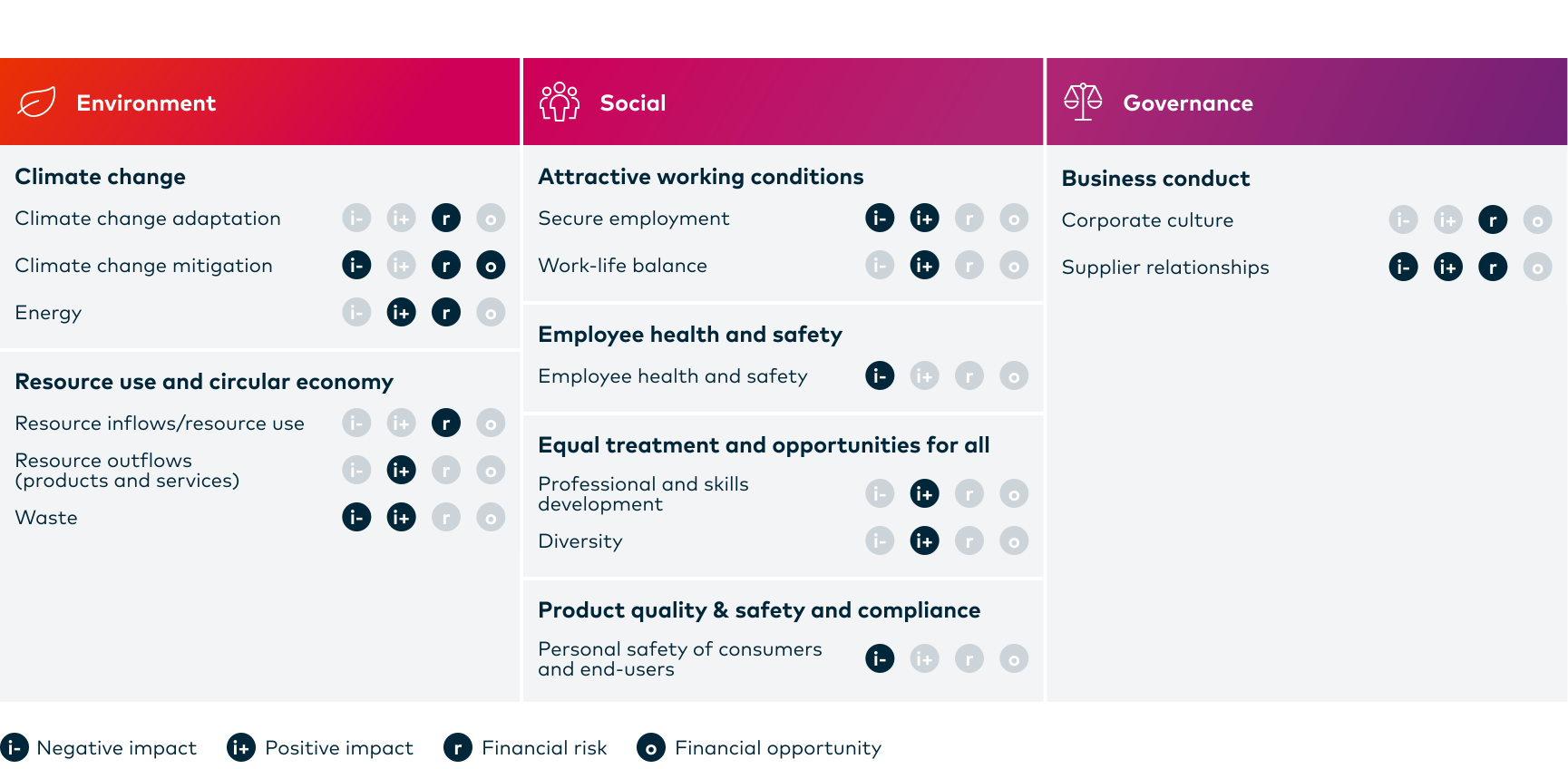
Comet conducted a double materiality assessment (DMA) with reference to the European Sustainability Reporting Standards (ESRS), which was completed in the reporting year. The objective of the DMA was to identify Comet’s actual and potential sustainability impacts, risks, and opportunities (IROs). The assessment considered, on the one hand, the impacts of our business activities on society and the environment (impact materiality), and, on the other hand, how sustainability topics may present risks and opportunities for our business (financial materiality).
We applied a structured approach to determine our material topics, considering both our own operations and the entire value chain from materials sourcing to the end-users of equipment containing Comet products. Each of the 94 ESRS 1 sub-(sub-)topics was systematically investigated in the context of Comet, including cross-benchmarking with relevant topics from regulations, reporting standards, and peer companies as well as research using internal sources. This led to an initial screening, in which topics that clearly presented no impacts, risks, or opportunities for Comet were excluded from further evaluation. In the next step, potentially relevant IROs were identified and assessed for the remaining subjects. The evaluation of financial materiality was aligned with the risk categories as defined in Comet’s risk management system.
In line with ESRS requirements, stakeholder engagement was a part of the DMA process. Comet had previously conducted an online survey to involve stakeholders: management received a survey focused on financial materiality, while other stakeholders, such as customers, suppliers, investors and Comet employees, were surveyed on impact materiality. The results of this survey served as a plausibility check when identifying potential material topics.
The final selection of IROs was mapped to the respective sustainability matters. These were consolidated into a comprehensive overview of material topics, which were reviewed and validated by the Executive Committee and the Board of Directors. The results of this process reflect Comet’s sustainability strategy and business model.
As this sustainability report has been prepared in accordance with the GRI Standards, the material sustainability topics as well are reported on in line with GRI requirements. In total, seven topics were identified as material for Comet. The IROs are described in the chapters on the material topics.
Material topics
Stakeholder engagement
At Comet, proactive stakeholder engagement is a key driver of innovation, resilience and long-term growth. We maintain structured dialogue with employees, customers, investors, suppliers, regulators and local communities to align expectations with our strategic direction and sustainability priorities.
With employees, we foster open communication through our social intranet, quarterly all-hands sessions, local in-person town halls led by top management, and the “Ask the CEO” channel, complemented by regular employee engagement surveys that inform initiatives on culture, leadership and working conditions.
To meet evolving customer needs, we engage through advisory boards and pilot projects, tailoring solutions that address client challenges and uphold high standards of performance and reliability. This customer-centric focus reinforces trust and deepens global partnerships.
In 2025, Comet intensified collaboration with customers and ecosystem partners. For example, we joined the JOINT3 Consortium, where we contribute our advanced x-ray expertise to co-develop next-generation semiconductor packaging and broaden the application scope of our inspection technologies. We also expanded our workforce in regions close to existing or potential customers.
Our investor relations activities are based on transparency and trust. With regular briefings, participation in investor conferences and one-on-one meetings, we provide comprehensive updates on financials, strategy and sustainability. In 2025, Comet also held a Capital Markets Day, offering deeper insight into our strategy, technology roadmap and sustainability progress and a dedicated forum for direct exchange with investors.
Our engagement with suppliers emphasizes shared values and sustainability. Through collaborative R&D and joint initiatives, we strengthen partnerships that align with responsible business conduct.
Compliance is critical in high-tech industries. We actively participate in industry groups and engage with regulatory bodies in Switzerland and globally, ensuring adherence to standards and contributing expertise for advancing technology regulations.
Contributing to communities is part of Comet’s responsibility as a corporate citizen, with a chosen clear focus on education and STEM-related engagement. Comet maintains established educational programs and selectively supports local initiatives near its sites, prioritizing projects that build future skills relevant to its technologies and industry. Through this education-focused stakeholder engagement, Comet helps inspire young people to contribute to a livable future through innovation.
Stakeholder feedback is integrated into the discussions at the level of the Board of Directors and of the Executive Committee on strategy and sustainability, and into the work of the Sustainability Board and cross-functional project teams.