

Board of Directors and Executive Committee
The Board of Directors has ultimate responsibility for supervising the Group. The Board sets the Group’s strategy, the guidelines for organizational structure and financial planning. The Board consists of a minimum of five members. The Executive Committee – the Group’s most senior management below the Board level – is responsible for the operational management of the Group within the powers delegated to it.
Composition of the Board of Directors of Comet Holding AG
On December 31, 2025, the Company’s Board of Directors had the following members:
Nationality | Position on the Board | Member since | Elected until | |
Benjamin Loh | Singaporean | Chair and non-executive member Chair of the Technology Committee (TC) | 2024 | 2026 |
Mariel Hoch | Swiss / German | Vice Chair and non-executive member Chair of the Nomination & Compensation Committee (NCC) | 2016 | 2026 |
Heinz Kundert | Swiss | Non-executive member Member of the NCC Member of the TC | 2019 | 2026 |
Patrick Jany | Swiss / German | Non-executive member Chair of the Audit Committee (AC) Member of the NCC | 2019 | 2026 |
Edeltraud Leibrock | German | Non-executive member Member of the AC Member of the TC | 2022 | 2026 |
Irene Lee | Singaporean | Non-executive member Member of the AC | 2023 | 2026 |
Secretary of the Board (since 2023) and non-member of the Board: Marc Splisgardt, Group General Counsel.
The information below outlines the key background information of each Board member. Where a place name is not followed by a country or state, the country is Switzerland.

Benjamin Loh
(b. 1963, Singaporean citizen)
Education
Degree in Electronics Engineering from Tohoku University, Japan.
Experience
1996 to 2005: various positions including Senior VP of Asia Pacific at Unaxis Corporation AG (now known as OC Oerlikon Corporation AG) in Pfäffikon; 2005 to 2007: Executive VP of Global Sales and Service at Veeco Instruments Inc. in New York, USA; 2007 to 2015: various positions including COO at FEI Inc. (now known as Thermo Fisher Scientific MSD division) in Oregon, USA; 2015 to 2017: Executive VP of Sales and Service at VAT Vakuumventile AG in Haag; 2018 to 2020: Supervisory Board member of Kriya Materials BV in Geleen, Netherlands, and Supervisory Board member of Schneeberger AG in Roggwil; 2020 to 2024: President and CEO of ASM International in Almere, Netherlands. Vice Chairman of the International Board of Directors, SEMI Inc., Milpitas, CA, USA.
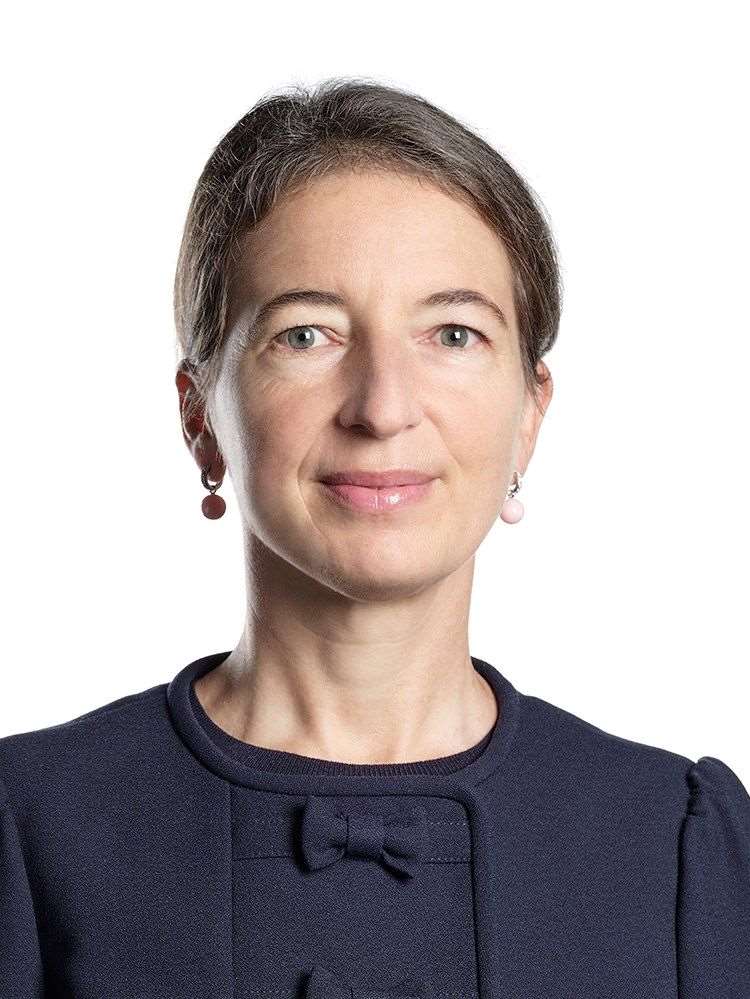
Mariel Hoch
(b. 1973, Swiss and German citizen)
Education
Dr. iur doctorate in law from University of Zurich and Lic. iur degree in law from University of Zurich. Admitted to the Zurich bar in 2005.
Experience
Partner at the law firm Bär & Karrer AG, Zurich. Board member, Chair of the Nomination and Governance Committee and member of the Audit Committee, SIG Group AG, Neuhausen am Rheinfall; Board member and Audit Committee member, Komax Holding AG, Dierikon; Board member, MEXAB AG, Lucerne; Board member, The Schörling Foundation, Lucerne; Board member, Law & Economics Foundation, St. Gallen; Board member, Irene M. Staehelin Foundation, Zurich; Board member, Orpheum, Stiftung zur Förderung junger Solisten (a foundation), Zurich.
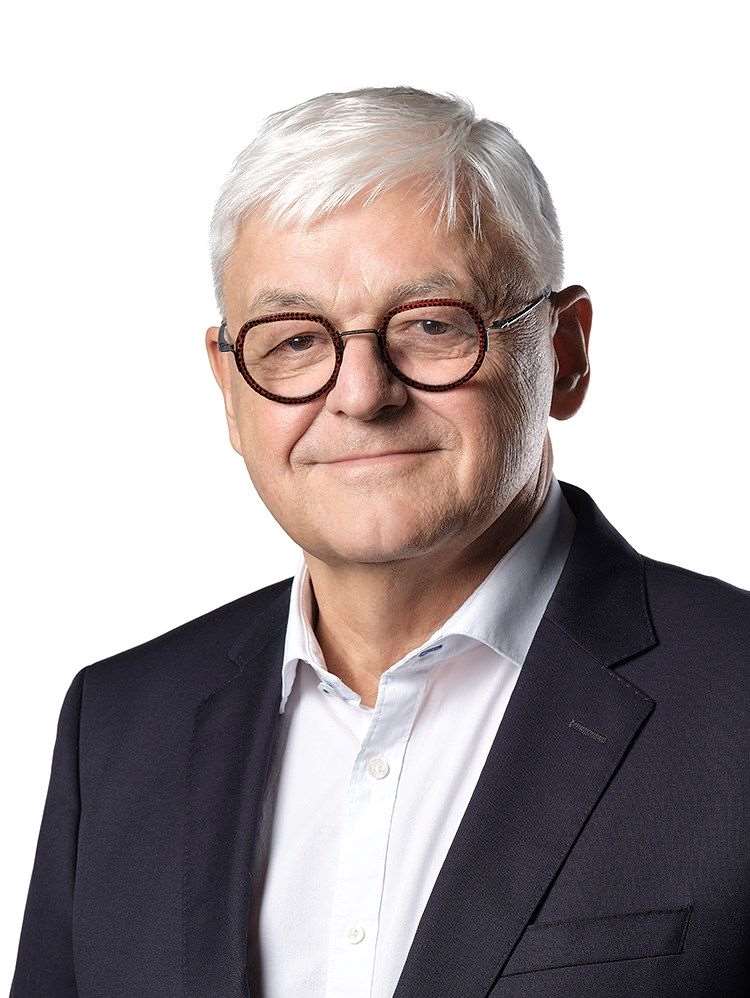
Heinz Kundert
(b. 1952, Swiss citizen)
Education
Degree in mechanical engineering and industry management from ITA and business management from FAH at the University of St. Gallen (HSG).
Experience
1981 to 1991: Regional Director Asia, Balzers AG, Balzers, Liechtenstein; 1991 to 1999: Division Manager, Semiconductor and Data Storage, Balzers AG, Balzers, Liechtenstein; 1999 to 2002: COO of Oerlikon-Bührle, Zurich-Oerlikon; 2002 to 2004: CEO of Unaxis AG, Pfäffikon; 2005 to 2015: VP of SEMI Intl. USA and President of SEMI Europe; 2015 to 2018/2022: CEO/Board member of VAT Group, Sennwald; 2019 to 2020: CEO of the Comet Group, Flamatt. Chairman of R&S Group Holding AG, Sissach; Board member, Variosystems AG, Steinach; owner, Kundert Consulting Establishment, Schaan, Liechtenstein.
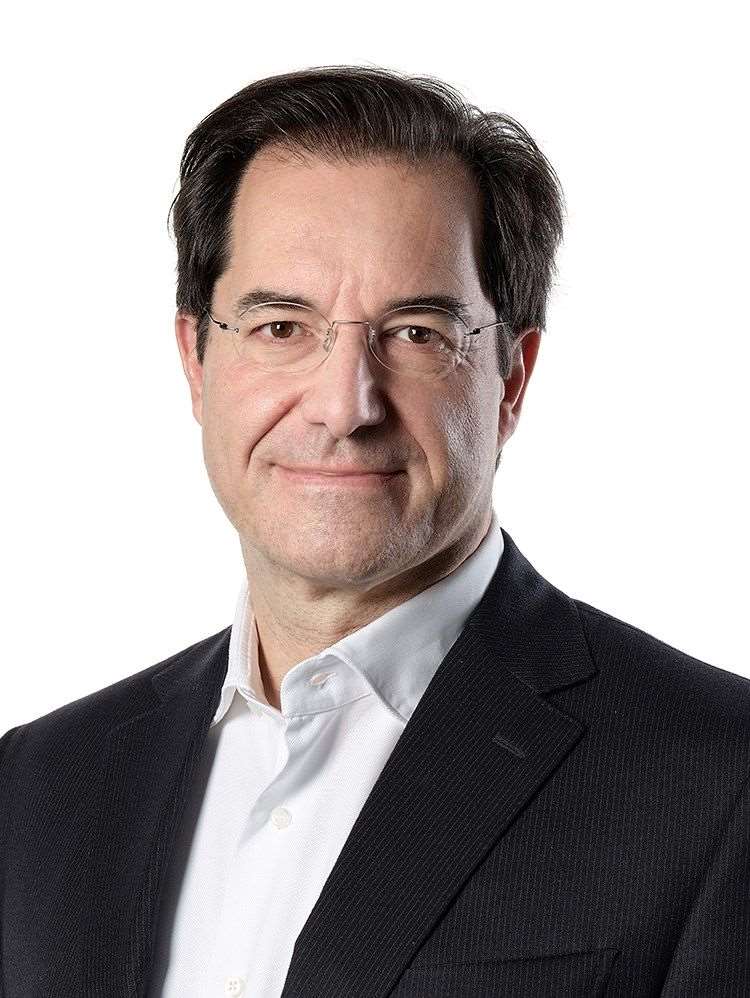
Patrick Jany
(b. 1968, Swiss and German citizen)
Education
Degree in business administration from École Supérieure de Commerce de Paris (ESCP), France.
Experience
1990 to 2006: Various positions at Sandoz, later Clariant, including CFO for ASEAN region, Head of country organization of Clariant Mexico, and Head of corporate development; 2006 to 2020: CFO and member of the Executive Committee of Clariant AG, Muttenz; 2020 to 2026: EVP and CFO at A.P. Moller-Maersk A/S, Copenhagen, Denmark.
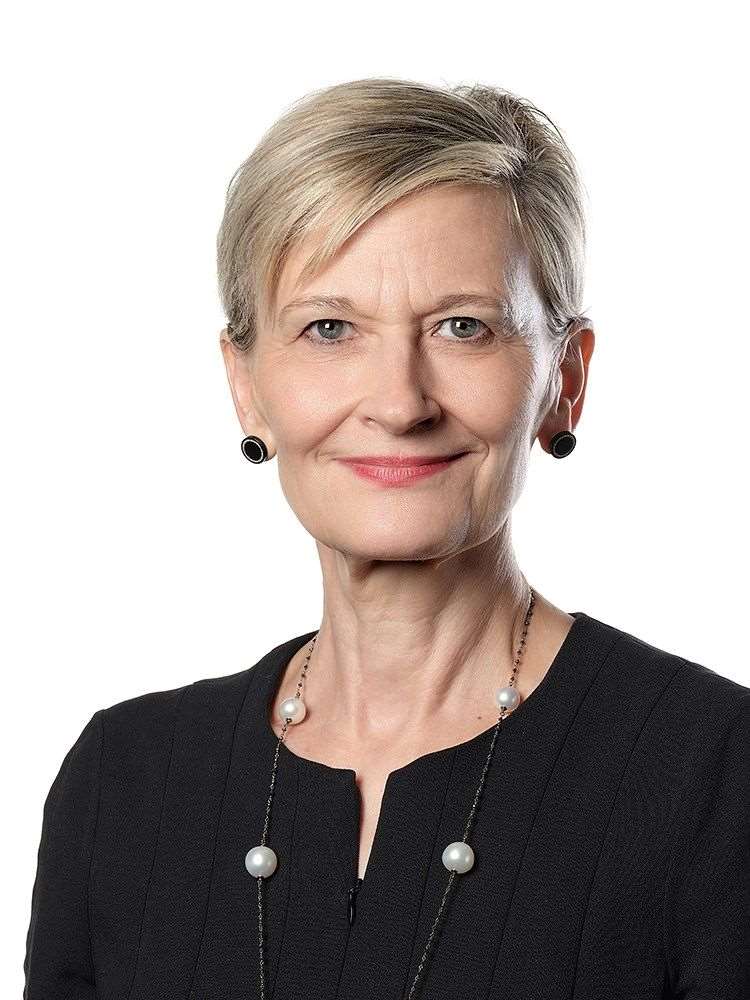
Edeltraud Leibrock
(b. 1965, German citizen)
Education
Dr. rer. nat. doctorate in natural sciences from Hamburg University of Technology, Germany, and degree in physics and biology from the University of Regensburg, Germany.
Experience
2000 to 2009: Consultant at Boston Consulting Group in Munich, Germany, where she supported strategy, IT, and digitalization projects; 2009 to 2011: Group CIO and Executive Vice President at Bayerische Landesbank in Munich, Germany; 2011 to 2015: COO and member of the Executive Board at KfW Bankengruppe in Frankfurt am Main, Germany; 2016 to 2024: Managing Partner of Connected Innovations GmbH in Hamburg, Germany, a specialist consultancy focused on artificial intelligence and automation; since 2024, Senior Partner, Digital at Roland Berger GmbH and Global Managing Director, Innovation, at Roland Berger Holding KGaA, Munich, Germany. Supervisory Board member, ALH Group, Oberursel, Germany; Advisory Board member, GRÄPER Ahlhorn GmbH & Co. KG, Ahlhorn, Germany; member of the Board of Directors, Roland Berger FVC AG, Zurich, Switzerland; Executive Board member, Fraunhofer Alumni e.V., Germany; Advisory Board member, Fraunhofer SCAI (Institute for Algorithms and Scientific Computing), St. Augustin, Germany; Advisory Board member, Fraunhofer ITWM (Institute for Industrial Mathematics), Kaiserslautern, Germany; Advisory Board member, Artificial Intelligence Center Hamburg (ARIC), Hamburg, Germany.
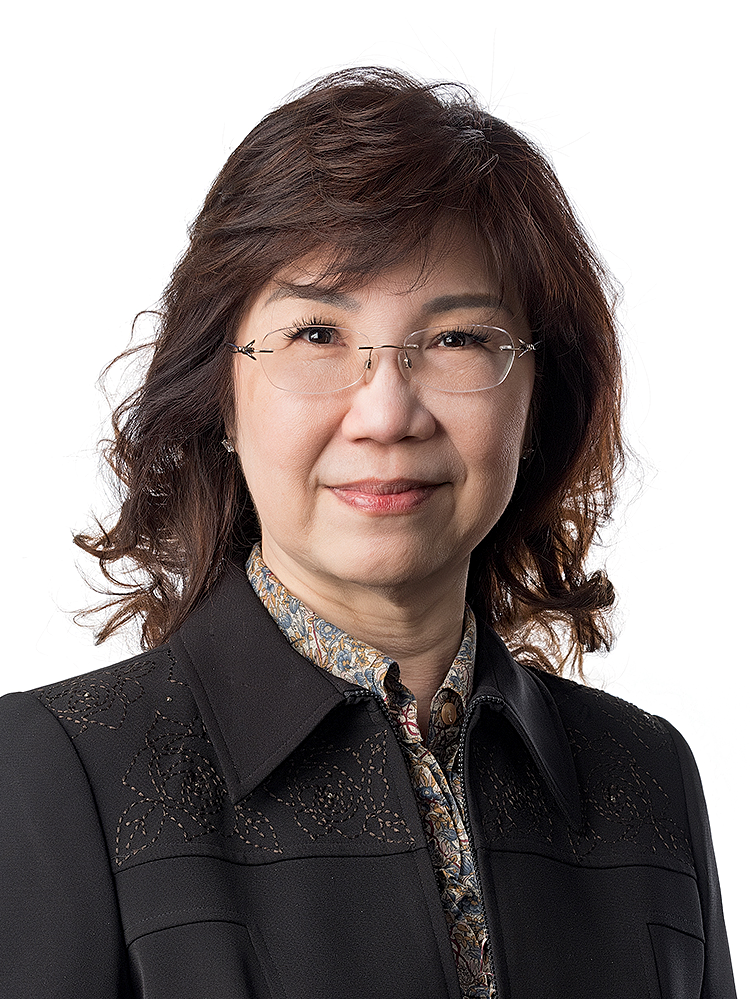
Irene Lee
(b. 1960, Singaporean citizen)
Education
Master of Business Administration (MBA) from University of Leeds, UK; Executive MBA from Harvard Business School, USA; Diploma in Mechanical Engineering from Singapore Polytechnic, Singapore.
Experience
1987 to 2011: various positions including VP of Quality at Seagate Technology in Singapore; 2012 to 2019: different positions including SVP Global Operations & CQO at Kulicke & Soffa in Singapore; since 2019: Board member of JEP Holdings Ltd, focused on the aerospace industry, Singapore; since 2020: Investment Officer at Little Rain Pte Ltd, a wealth management company, Singapore. Board member, JEP Holdings Ltd, Singapore; Board member, Key Point (Singapore) Pte Ltd, Singapore; Board member, Amethyst Micrometric (Singapore) Pte Ltd, Singapore; Board member, Ying World Investments (Singapore) Pte Ltd, Singapore; Board member, Key Point Holding (Singapore) Pte Ltd, Singapore; Board member, Key Point Life Science Solutions Sdn Bhd, Malaysia.
No Board member is or was a member of the operational management of Comet Holding AG or any of its subsidiaries over the last three fiscal years. No member of the Board has any material business relationship with the Company or any of its subsidiaries.
Composition of the Executive Committee
As of December 31, 2025, the Group’s Executive Committee had the following members. The information below outlines the key background information of each Executive Committee member. Where a place name is not followed by a country or state, the country is Switzerland.

Stephan Haferl
(b. 1972, Swiss and Norwegian citizen) Chief Executive Officer since Sep. 1, 2022, and interim President of the X-Ray Systems division since Oct. 1, 2025.
Education
Dr. sc. tech. doctorate in mechanical and process engineering from ETH Zurich; Advanced Management Program, The Wharton School of the University of Pennsylvania, USA.
Experience
2002 to 2007: various management positions at the Bartec Group, Sainte-Croix; from 2007: various management positions in Comet’s X-Ray Technology business – VP of Supply Chain, VP of R&D, General Manager of Industrial X-Ray Technologies (IXT), President of X-Ray Modules division, Flamatt. Board member of Belimed AG, Zug, until April 30, 2024.
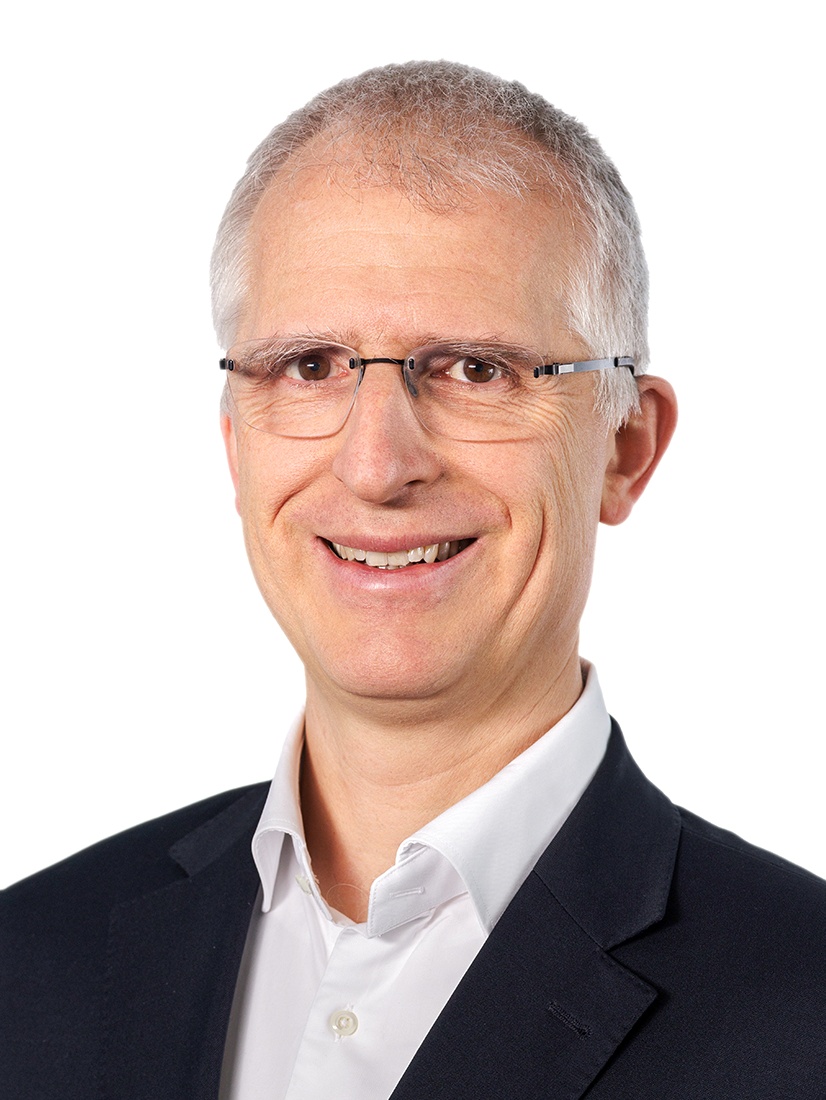
Christian Witt
(b. 1971, German citizen) Chief Financial Officer since Jan. 1, 2025.
Education
Master’s degree in economics from Rice University, Houston, USA; Master’s degree in economics from University of Regensburg, Germany.
Experience
1997 to 2008: various management positions at Daimler AG, with assignments in Germany, Spain, and Argentina; 2008 to 2012: Group Chief Financial Officer at Wittur Group, Wiedenzhausen, Germany; 2014: Chief Financial Officer at Hoffmann Group, Munich, Germany; 2015 to 2018: Chief Financial Officer at Bragi GmbH, Munich, Germany; 2018 to 2024: Chief Financial Officer at LPKF Laser & Electronics, Hanover, Germany; from 2025: Commissioner at PT.Island Dreams Lembongan, Indonesia.
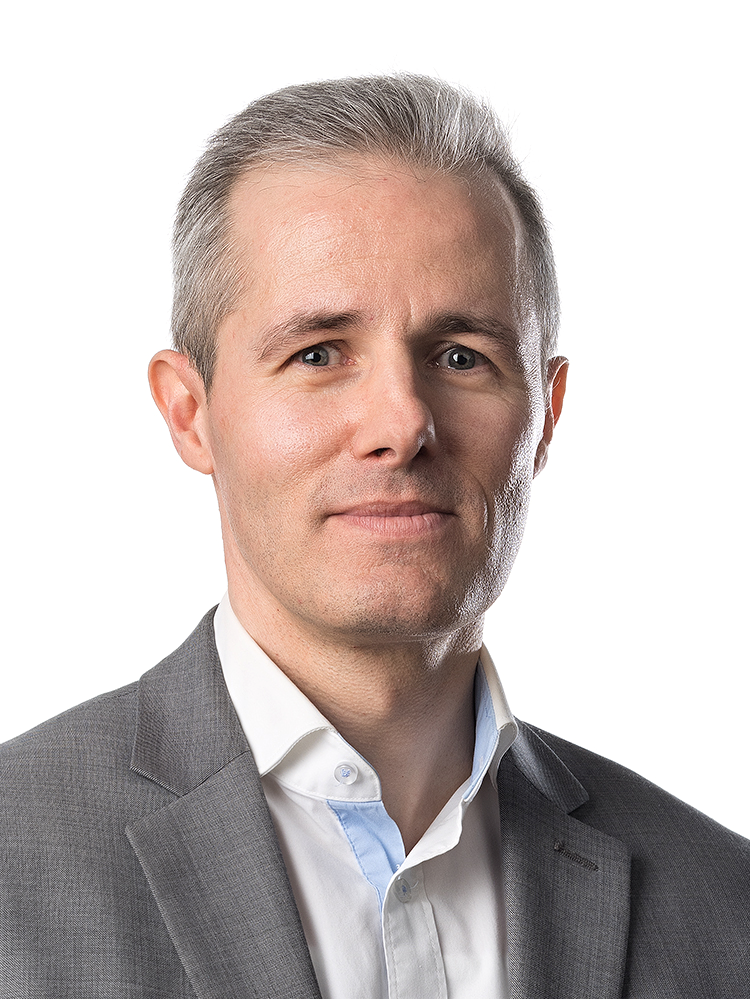
André Grede
(b. 1979, German citizen) Chief Technology Officer since Mar. 1, 2023.
Education
Dipl. Ing. degree in electrical engineering with a specialization in radio frequency technology, from Berlin Institute of Technology (TU Berlin), Germany.
Experience
2006 to 2011: Research Associate at the Chair of Electrodynamics at the Berlin Institute of Technology (TU Berlin), Germany; 2011 to 2015: Head of RF new development at Trumpf Hüttinger; 2015 to 2023: VP of Global R&D and Technology at Comet Plasma Control Technologies, Flamatt.
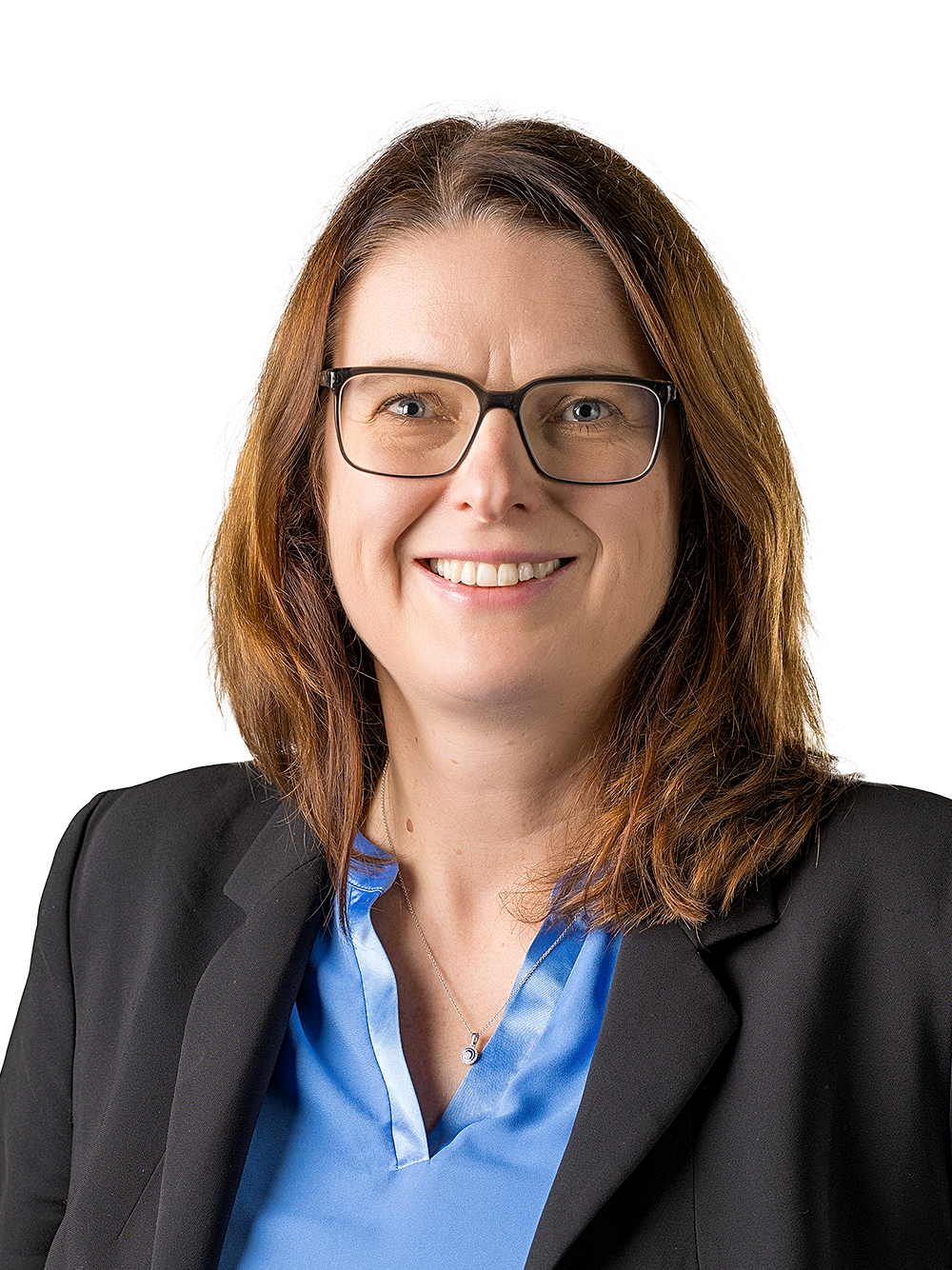
Meike Boekelmann
(b. 1976, German citizen) Chief Human Resources Officer since Oct. 17, 2023.
Education
Master’s degree in economics and social science, Leuphana University Lüneburg, Germany.
Experience
2003 to 2015: various local, regional and global HR leadership positions (HR Manager; HR Manager, Geomarket Continental Europe; HR Director, Integrated Operations) at Baker Hughes based in Germany, the Netherlands, Italy and U.A.E.; 2015 to 2023: variety of global and regional HR leadership positions at Sulzer, including Global HR leader, Chemtech division based in Winterthur; from 2023: Board member of the Pact for Skills.
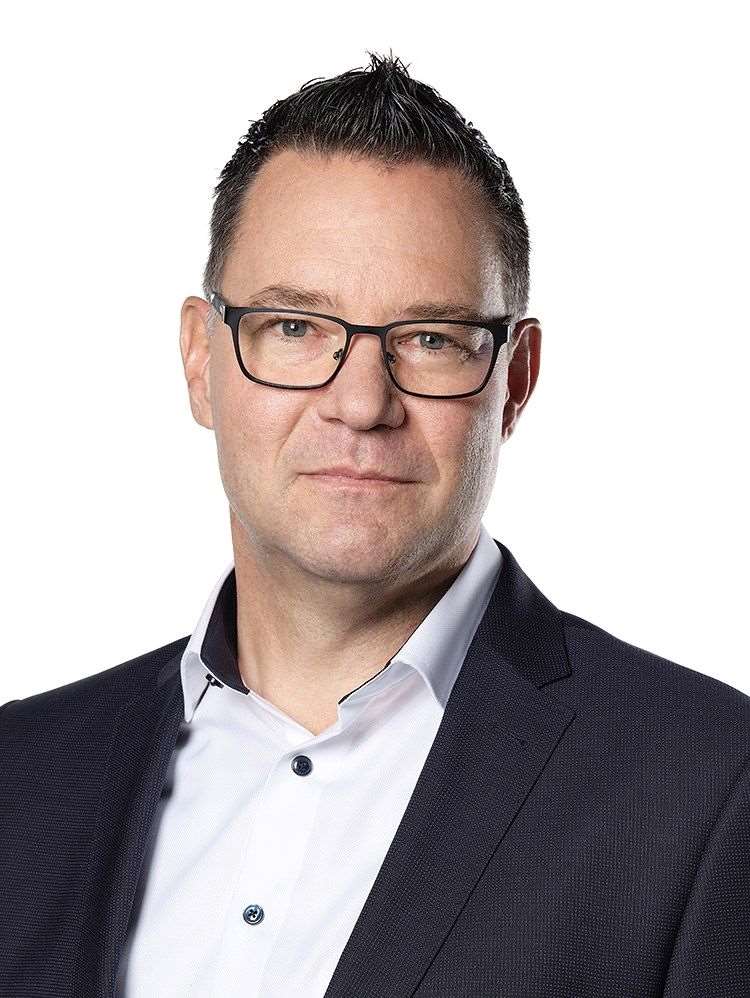
Michael Berger
(b. 1973, Swiss citizen) President of X-Ray Modules division since Sep. 1, 2022.
Education
Executive Master of Marketing Management, Bern University of Applied Sciences (BFH).
Experience
2003 to 2005: manager of the production department at Band Cooperative, Bern; 2005 to 2013: various executive management positions at Teltronic, Biberist; 2013 to 2018: Production Manager, X-Ray Technology, Comet; 2018 to 2022: VP of Operations of Industrial X-Ray Modules, Engineering and Supply Chain, Comet, Flamatt. Board member of Band Cooperative, Bern, until May 22, 2024.
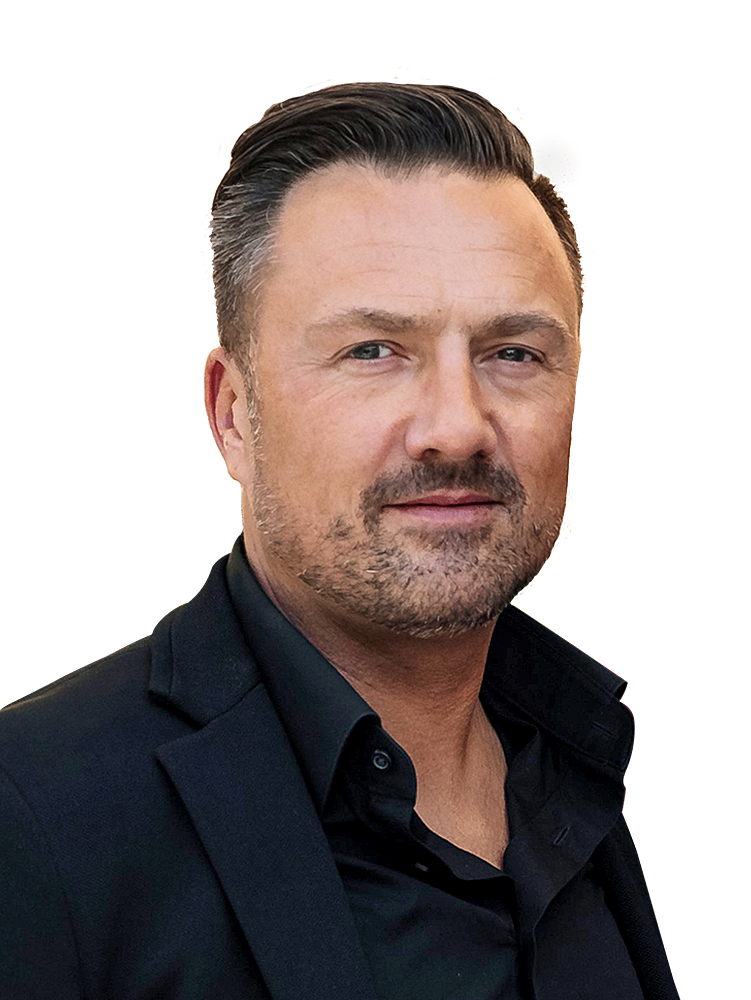
Joeri Durinckx
(b. 1979, Belgian citizen) President of Plasma Control Technologies division since Mar. 1, 2023.
Education
Master’s degree in Mechatronics from Group T International School, Leuven, Belgium.
Experience
2001 to 2019: various positions including Director of Business Development, Semiconductor Services, North America & Europe at Applied Materials, Belgium; 2019 to 2023: at Kulicke & Soffa as VP of the EA/APMR and Lithography business units, Eindhoven, Netherlands.
CIO Robert Leindl left the Comet Group on August 31, 2025, and the President of the X-Ray Systems division Dionys Van de Ven left the Comet Group on October 1, 2025.
No member of the Executive Committee had any material business relationships with Comet Holding AG or any of its subsidiaries in fiscal year 2025. No member of the Executive Committee performed any consulting or third-party services for the Company or any of its subsidiaries before their appointment to the Executive Committee.
Activities and interests outside the Group
The Articles of Association, which are compliant with article 734e of the Swiss Code of Obligations, specify the allowable number of other, external positions that members of the Board and the Executive Committee may hold on top management or supervisory bodies. For further information, see article 23 of the Articles of Association, which can be accessed here: www.comet.tech/en/investors/downloads. In fiscal year 2025, no member of the Board or the Executive Committee exceeded any limits for additional positions held. Some members of the Executive Committee hold board positions at subsidiaries of the Group.
Board elections and terms
The Board members are elected by the Annual Shareholder Meeting for a term of one year. They are individually elected when standing for election or re-election. The Annual Shareholder Meeting also elects one member of the Board of Directors as the Board Chair and elects the members of the NCC. The term of office ends at the conclusion of the next Annual Shareholder Meeting. Re-election for consecutive terms is permitted. If elections are held during a term to replace or add Board members, the newly elected members serve for the remainder of the current term.
The Board nominates non-executive and independent members within the meaning of the Swiss Code of Best Practice for Corporate Governance to be elected by the shareholders as members of the NCC. Re-election is permitted. The members of the other committees are elected by the Board from among the Board members for a term of one year.
Management contracts
As of December 31, 2025, Comet Holding AG had not entered into any management contracts with companies or natural persons outside the Group (prior year: nil).
Internal organization
Except for the election of the Board Chair and the members of the NCC by the shareholders, the Board of Directors constitutes itself at its first meeting after its election or re-election by the Annual Shareholder Meeting. The Board appoints its Vice Chair, the members of the other Board committees and the Board Secretary. The Secretary need not be a member of the Board.
The Chair of the Board of Directors has the following duties and powers:
- Act as chair of the Shareholder Meetings
- Call meetings of the Board of Directors and set the agenda
- Oversee the decision-making process leading to Board resolutions, supervise their implementation and ensure compliance with them
- Immediately inform all members of the Board of Directors of extraordinary events
- Ensure that urgent business matters are transacted within the required timeframe
- Interact with the senior management of the Comet Group
- Monitor the implementation of measures decided by the Board of Directors
- Take all measures required to safeguard the interests of the Comet Group
- Represent the Board of Directors internally and externally
The Vice Chair assumes the powers and duties of the Chair in his or her absence. The chairs of the Board committees lead their respective committees and report to the Board of Directors.
The Board meets at the invitation of the meeting’s chair as often as business requires, or when requested by a Board member in writing for a stated purpose. The Board has a quorum when the majority of members are present. The Board passes its resolutions and performs its elections by an absolute majority of votes cast. In the event of an equality of votes, the chair of the meeting has the casting vote. Resolutions on a motion may alternatively be reached in writing if no Board member objects to this method. Minutes must be kept of the deliberations and resolutions and be signed by the meeting’s chair and the Board Secretary. The minutes are submitted to the Board for approval at its next meeting.
The committees’ principal function is to provide decision-making support to the full Board in special subject areas. At the regular meetings or as required, the full Board is kept informed of the activities of the individual committees. Reports to the full Board are made orally or in writing as required. The overall responsibility for the tasks assigned to the committees remains with the full Board, which decides as a body on all proposals.
Functioning of the full Board of Directors
A total of nine regular meetings of the full Board were held in the year, as well as several teleconferences. In addition, several meetings of the Board committees were held. The Board of Directors is regularly kept informed of the course of business by the CEO and CFO at its meetings, and on an ad hoc basis as needed. Other members of the Executive Committee, other management staff and specialists of the Group regularly attend Board meetings to report on particular projects in their area of responsibility. In addition, external advisors are consulted as required to deal with specific matters. The Board receives monthly written financial reports on the current business performance.
Nomination & Compensation Committee
The Nomination & Compensation Committee (NCC) is made up of three members of the Board. The NCC prepares all agenda items related to the nomination and compensation of Board members and Executive Committee members. The NCC itself does not make decisions but prepares proposals for the approval of the full Board of Directors. The Committee has the following responsibilities in particular (additional responsibilities may be assigned to it as required):
- Address both the compensation policy for the remuneration of the Board of Directors and Executive Committee, and the Comet Group’s compensation structure
- Prepare the compensation report and support the Board of Directors in preparing resolutions for the Annual Shareholder Meeting for the approval of compensation
- Develop proposals for guidelines for the compensation of the Board of Directors and Executive Committee
- Review share ownership plans and recommend adjustments as appropriate
- Propose new Board members and Executive Committee members for appointment
- Provide support to the CEO in evaluating candidates for the Executive Committee
In the year under review, the Committee held two regular meetings, all of which were attended by all NCC members, as well as by the Global Head of HR. In an advisory role, the Chair of the Board and the CEO also attended. The NCC may invite other Board members, Executive Committee members and specialists to its meetings as required. However, the members of the Executive Committee do not attend the compensation-related Board meetings and do not have a say in their compensation. The NCC chair briefs the Board of Directors on the activities at the next Board meeting and submits the necessary proposals and recommendations. Minutes of the NCC meetings are taken and signed by the chair of the NCC and its secretary.
Audit Committee
The Audit Committee (AC) supports the full Board in exercising oversight of accounting and financial reporting and in monitoring compliance with legal requirements. The Committee has the following responsibilities in particular:
- Evaluate the structure and form of the Group’s accounting system
- Assess the effectiveness of the independent auditors and the internal controls; evaluate the coordination of external and internal auditing, and review the performance and compensation of the external independent auditors
- Evaluate the effectiveness of risk management
- Review the financial reporting to shareholders and the public
- Issue directions to the internal audit function and, as may be required on a case-by-case basis by the resulting findings, issue directions to the Executive Committee
During the fiscal year, four regular meetings were held by the AC. They were attended by the external auditors, internal auditors, the CEO and the CFO. In an advisory role, the Chair of the Board also attended. The Committee may invite other Board members, Executive Committee members and specialists to its meetings as required. At each Board meeting, the AC reports on its activities to the Board of Directors and submits the necessary proposals and recommendations to the Board.
Technology Committee
The Technology Committee provides support to the full Board in matters of technology. The Committee has the following responsibilities in particular:
- Monitor international developments in technology and evaluate the emerging trends for their relevance to the Comet Group
- Assess the Group’s internal research and development activities
- Ensure the Group holds at least one technology day or equivalent event per year
The Committee meets as often as business requires. In fiscal year 2025, it held two regular meetings. During the year the appraisal of technology sector developments, as well as the development measures taken by the Group, were regularly discussed with the division presidents during the Committee meetings and the Board’s scheduled meetings.
Division of authority
The Board of Directors is responsible for the overall direction and management of the Group and for the supervision of its most senior operational management. The non-delegable and inalienable duties of the Board of Directors are established by article 716a of the Swiss Code of Obligations. The Board’s specific responsibilities and scope of authority are set out in the Company’s Organizational Regulations and include the following areas among others:
- Determine the Group’s strategic direction and financial targets and allocate the resources required to achieve them
- Establish the Group’s objectives, business policy and strategy, and organizational structure
- Approve the rolling short- and medium-term financial plans
- Approve the acquisition and disposal of subsidiaries and of equity interests in other companies, and approve collaborations with other firms
- Approve the purchase and sale of real estate
- Appoint and withdraw members of the Group’s Executive Committee and exercise oversight and control of their activities
The Board of Directors has delegated all operational management of the Group to the CEO and the Executive Committee, except as otherwise required by law, the Company’s Articles of Association and the Organizational Regulations. The CEO and Executive Committee have the necessary powers to execute the business strategy within the parameters set by the Board of Directors. In particular, the CEO has the authority to:
- Manage the Comet Group, implement the Board’s strategic directions and decisions, and ensure timely and appropriate reporting to the Board
- Develop business targets within the general objectives established by the Board and present proposals for the rolling forecasts and for the strategic multi-year planning
- Request items of business to be placed on the agenda of Board meetings, prepare such business for transaction by the Board, and ensure the implementation of the Board’s decisions
- Implement an internal control and management information system based on the specifications of the Board
- Regularly review the business risks, and establish a Board-approved risk management system for this purpose
- Regularly review the degree of achievement of the financial targets and strategic goals, as well as the Group’s liquidity
- The members of the Executive Committee report to the CEO
Monitoring and control with respect to the Executive Committee
The Chair of the Board may attend the meetings of the Executive Committee and receives the minutes of all its meetings. The Board of Directors also receives regular reports on the course of business from the Executive Committee at Board meetings. In the case of extraordinary events, the Executive Committee informs the Board immediately. The CEO and CFO attend all regular meetings of the Board. At least one to two times per year, in the context of Board meetings, the other members of the Executive Committee also report to the Board on their business area.
Management information system
The monthly financial reporting by the Executive Committee on the current course of business and important transactions gives the full Board the information needed to properly discharge its responsibilities. The standardized internal reporting of the Group consists of the IFRS-based consolidated balance sheet, statement of income and statement of cash flows, as well as detailed management reporting. This data is presented both by division and on a consolidated basis for the Group and is compared to the prior year and the rolling forecast. The resulting insights and actions are discussed monthly by the Executive Committee. All monthly financial statements are submitted to the Board. A rolling multi-year plan is prepared annually for the subsequent three years. In addition, every quarter, management generates a rolling forecast for the following five quarters.
Internal audit
The Group maintains an Internal Audit function. It provides objective and independent assurance regarding the key risks of the organization, the design and effectiveness of processes and controls and the overall corporate governance of the Group. The Internal Audit Charter defines the purpose, authority, responsibilities, and scope of the function and specifies the reporting structure, with the Internal Audit function reporting functionally to the Audit Committee (AC) and administratively to the CEO.
Each year, the Internal Audit function submits a risk-based audit plan to the AC for review and approval. This plan is based on a thorough assessment of the organization’s key risks, changes to strategy, key processes or set-up of the organization, as well as the findings from previous audit reports. The AC reviews and approves the plan, which is then carried out by the Internal Audit function. Any changes to the plan during the year require prior approval from the AC. On behalf of the Board, the AC may direct the Internal Audit function to review or assess specific topics as needed and report the results to the AC and/or the Board.
The Internal Audit function follows a regular reporting schedule, attends all AC sessions, and participates in the Executive Committee meetings. It maintains a coordinated alignment with the external auditors. Each completed audit engagement is summarized in a report containing observations and recommendations and presented to the Executive Committee and the AC.
The Group Head of Audit, Risk, and Compliance is responsible for overseeing the Internal Audit function, managing the group-wide enterprise risk management (ERM) process, maintaining a Group-level compliance management system (CMS), and operating Comet’s global integrity hotline. In 2025, Comet’s Internal Audit function conducted six audits and five special reviews, focusing on corporate governance, compliance with internal and external regulations, and the design and effectiveness of internal controls.
Risk management and internal control
The Comet Group has a risk management framework that involves an annual review of the Group’s corporate strategy by the Board of Directors, as well as an evaluation of insurance coverage, general business risks, and key balance sheet items by the Executive Committee. It further operates a system of internal control (the “internal control system”) to provide reliable internal and external financial reporting and to prevent false information and errors in business transactions. A review of the existence of the processes and controls of the implemented internal control system is carried out annually by the external auditors.
The methodology of Comet’s risk management framework, along with the organization’s risk appetite, are outlined in a policy approved by the Audit Committee (AC). Significant risks in business divisions and central functions are identified and assessed in quarterly working group sessions. These risks are described, categorized, assessed for severity, and formally assigned to a risk owner. This process uses as metrics the probability of occurrence and potential severity of loss, either qualitatively, quantitatively, or in terms of potential absolute financial risk.
For the risks classified as important, action plans are formulated to minimize the probability and/or potential severity of loss. The Executive Committee regularly reviews the effectiveness of the actions taken and assesses newly identified risks proposed for inclusion. Through separate reports, the AC is kept advised of the current assessment at least twice a year.
In the fiscal year, where required, Comet further expanded, trained or documented the existing internal control system. The internal control system is in use at all significant levels and locations of the Group. The significant risks and controls are in accordance with the objectives and quality requirements established by the Board. The controls are integrated in the respective processes and are periodically tested for effectiveness, logical sense and efficiency.